

What are the cleanliness requirements for the operating room and intensive care unit in a hospital?
2026-04-25
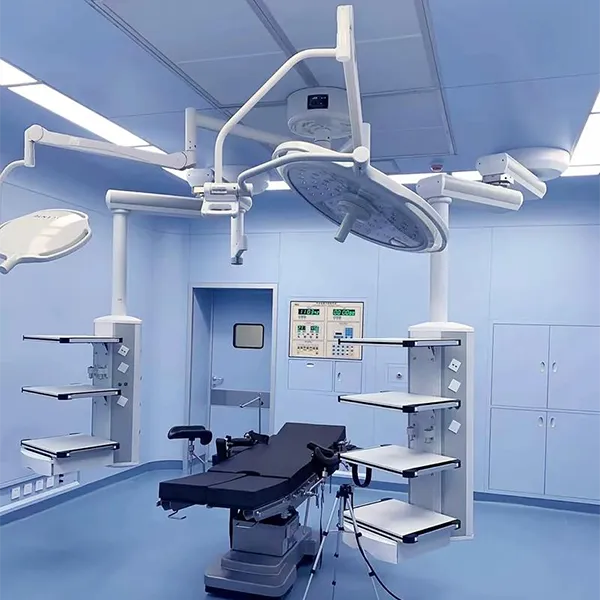
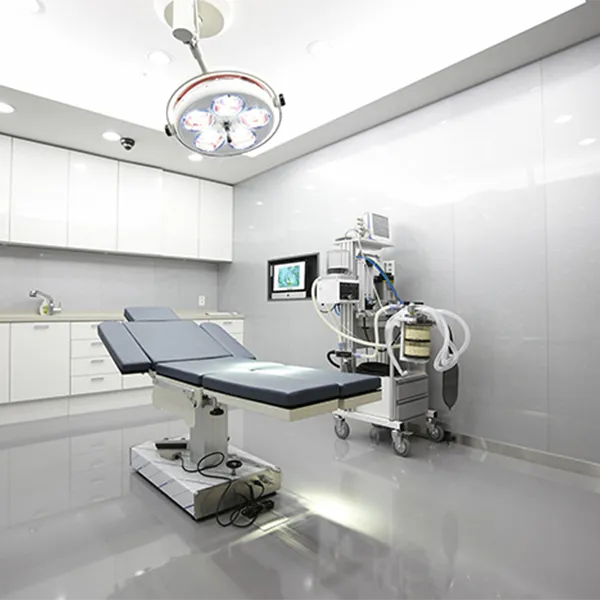
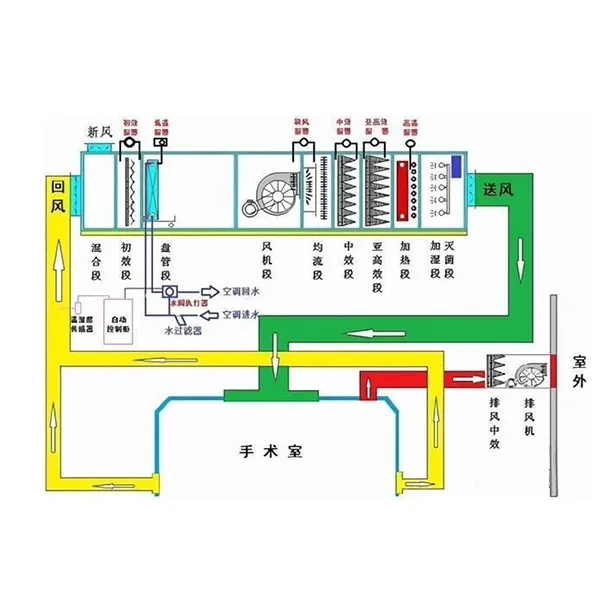
With the development of healthcare and high technology, the use of air purification systems in the medical environment is becoming increasingly widespread, and the requirements for the purification technologies themselves are becoming increasingly higher. Air purification systems used in medical cleanrooms generally fall into three categories: clean operating rooms, clean rooms, and clean laboratories.
In clean operating rooms equipped with air purification systems, the main goal of control is the number of microorganisms in the room, and operational parameters and classification indicators, as well as air purity, are necessary conditions for ensuring this control.
Clean operating rooms are divided into four classes depending on the degree of cleanliness:
1. Operating rooms of especially high cleanliness: the degree of cleanliness in the operating area is 100 class, in adjacent areas - 1000 class. Suitable for sterile surgeries such as burn treatment, joint replacement, organ transplantation, neurosurgery, ophthalmology, plastic surgery and cardiac surgery;
2. Clean operating room: operating area cleanliness level 1000, surrounding areas cleanliness level 10000. Suitable for sterile operations in the fields of thoracic surgery, plastic surgery, urology, hepatobiliary surgery, orthopedics, and egg retrieval procedures;
3. General purpose operating rooms: the degree of cleanliness of the operating area is 10,000, the surrounding areas are 100,000. Suitable for operations in the field of general surgery, dermatology and abdominal surgery;
4. Semi-clean operating rooms: air purity level - 100,000. Suitable for operations in the field of obstetrics and proctology.
The second most important category of air purification projects is clean rooms. Clean wards are divided into isolation wards and intensive care wards. Isolation rooms are divided into four levels depending on the biological hazard: P1, P2, P3 and P4. Critical care units include Intensive Care Units (ICU), Cardiac Intensive Care Unit (CCU), Neonatal Intensive Care Unit (NICU) and Leukemia Units, etc.
Clean laboratories are also one of the applications of air purification systems. Clean laboratories are divided into conventional clean laboratories and biosafety laboratories. Experiments carried out in regular clean laboratories are not infectious, but it is required that the environment does not adversely affect the experiment itself; Therefore, in such laboratories no protective structures are installed, and the degree of purity must correspond to the requirements of a particular experiment. Biological safety laboratories are biological laboratories equipped with first-level protection that can provide second-level protection. Biosafety laboratories are essential for conducting scientific experiments in areas such as microbiology, biomedicine, functional studies, and recombination genetics.
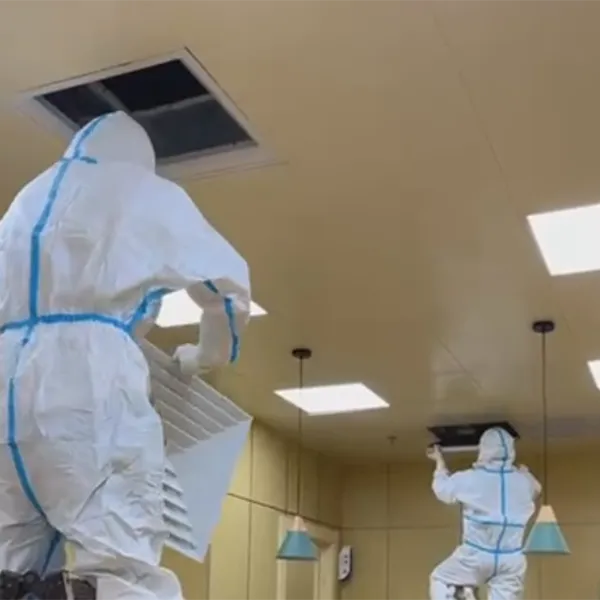
Cleaning projects in hospital cleanrooms differ from projects in electronic and pharmaceutical cleanrooms because they have higher cleanliness requirements. In hospital cleaning projects, if cleanroom equipment does not meet the required level of cleanliness, cross-contamination within the hospital may result, posing a threat to patients and medical staff. Therefore, the design and construction of hospital cleanrooms must be undertaken by specialized companies to ensure the high quality of each cleanroom.