

Rules and requirements for working in a sterile laboratory
2026-04-15
We have already told you about clean rooms, and today we will talk about sterile rooms that are similar to them. What should you pay attention to when conducting experiments in a sterile laboratory? What conditions must be met?
Ⅰ.Classes of sterile premises:
Depending on the degree of air purity, sterile rooms are usually divided into several classes. Typically, cleanroom classes include 100, 1000, 10,000, 100,000, 1,000,000, etc.
Cleaning classes are typically divided into 100, 1000, 10,000 and 100,000. Currently, 2010 GMP compliant manufacturing facilities no longer use this classification; instead, classes A, B, C and D are used, which correspond to the classes of the 1998 version. The cleaning class is assessed based on an analysis of the number of dust particles, the number of airborne microorganisms and the average number of deposited microorganisms in the control zone. Each level has different requirements. Cleaning levels are divided into static and dynamic.
Basic principles for the design and construction of clean rooms:
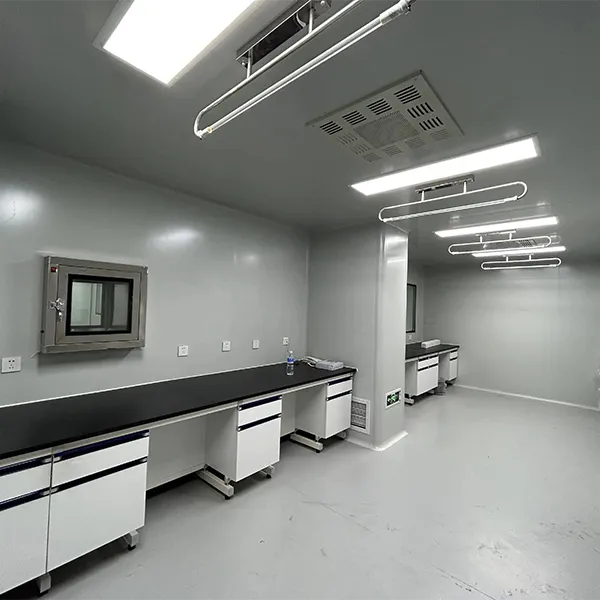
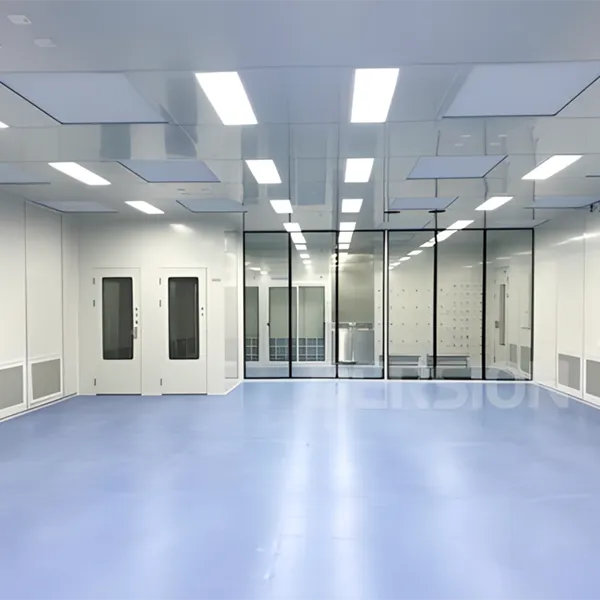
Floors and walls in a sterile room should be level, prevent the accumulation of dirt and facilitate cleaning. The working surface of the table should be horizontal. Ultraviolet lamps are installed in the sterile room and buffer room; in a sterile room, the ultraviolet lamp is located at a distance of 1 meter from the working surface of the table. Personnel entering a sterile room must wear sterilized clothing and headwear.
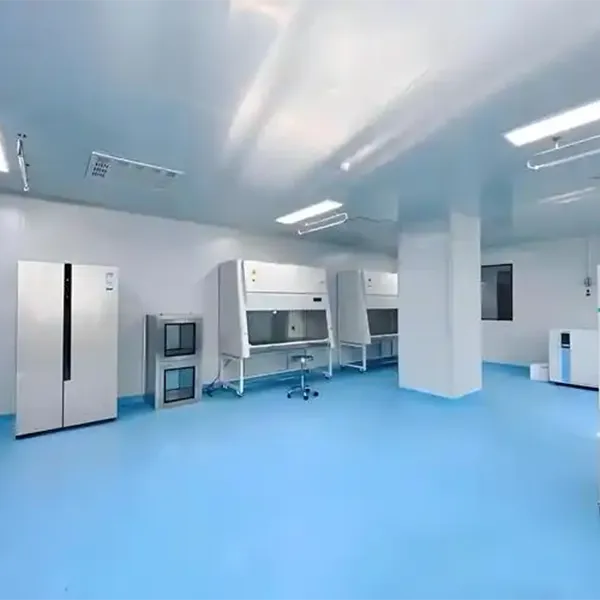
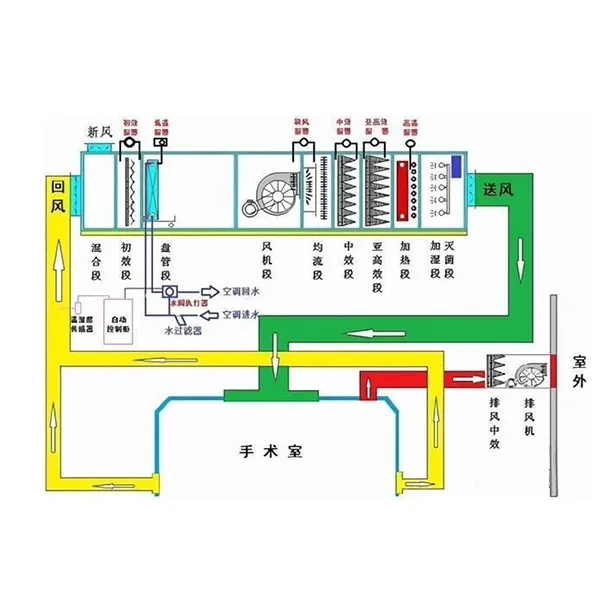
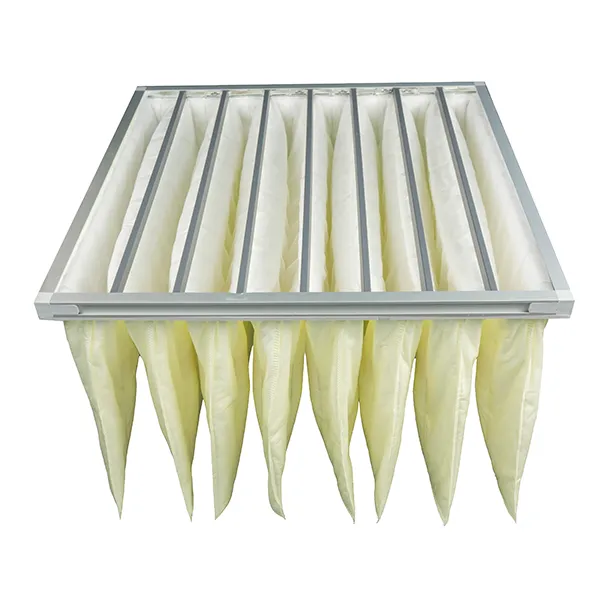
Nowadays, cleanrooms are most often found in microbiology facilities, and clean benches are used in conventional laboratories. The main function of clean benches is to remove various microscopic particles, including microorganisms, from the surface of the desktop using a device to create a laminar air flow. Using an electric drive, air passes through a high-efficiency filter and enters the work surface, so that it is constantly controlled by a sterile air flow. In addition, on the side facing the outside, there is a curtain of air with a high flow rate, preventing the entry of polluted air from outside.
In conditions where it is difficult to install a clean countertop, it can be replaced with a sterile wooden box.
The sterile box has a simple design and is easy to move. There are two openings on the front panel of the drawer, which are closed by sliding doors when the drawer is not in use, and during operation you can stick your hands through them. There is glass installed at the top of the front panel, making it easier to work inside the box. An ultraviolet lamp is installed inside the box, and tools, microorganisms, etc. can be placed through the side doors.
Ⅱ.Rules for working in a sterile room
1. The sterile room should be kept clean; It is strictly forbidden to store foreign objects to avoid contamination.
2. Contamination of all sterilization equipment and culture media must be strictly prevented; Contaminated items should be taken out of service.
3. The sterile room should have disinfectant solutions of working concentration, such as 5% phenol solution, 70% alcohol, 0.1% chlorhexidine solution, etc.
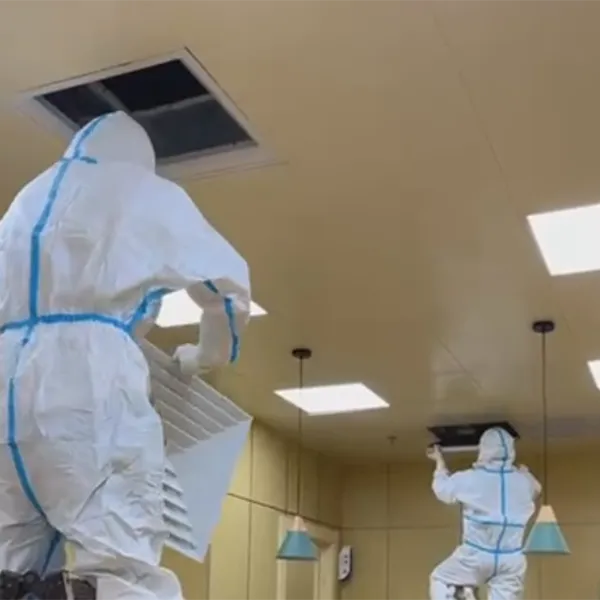
4. The sterile room should be regularly disinfected and cleaned with a suitable disinfectant solution to ensure the cleanliness of the room meets specifications.
5. All items that need to be brought into the sterile room for use, such as apparatus, instruments, petri dishes, etc., must be tightly packed and sterilized using a suitable method.
6. Before using the sterile room, you must turn on the ultraviolet lamp and carry out irradiation for at least 30 minutes, while simultaneously turning on the laminar flow hood for ventilation. After finishing work, the sterile room should be cleaned in a timely manner, and then sterilized with ultraviolet radiation for 20 minutes.
7. Colony counts should be checked monthly in a sterile room. With the laminar flow hood turned on, take several sterile dishes with an internal diameter of 90 mm and, maintaining sterility, pour into each of them approximately 15 ml of nutrient agar medium, melted and cooled to a temperature of about 45 ° C. after hardening, place them in an incubator at a temperature of 30–35 °C for 48 hours; After confirming sterility, take 3-5 dishes, place them in the left, central and right parts of the work area, open the lids and keep them open for 30 minutes, then place them in an incubator at a temperature of 30-35 ° C for 48 hours and remove them for testing. The average number of foreign microorganisms on dishes in a clean room of class 100 should not exceed 1 colony, in a clean room of class 10000 - 3 colonies. If permissible limits are exceeded, the clean room must be thoroughly disinfected until re-inspection demonstrates compliance.