

The importance of clean air in the pharmaceutical industry
2026-03-25
The importance of clean air in the pharmaceutical industry
In recent years, thanks to the Manufacturing in China 2025 program, China's pharmaceutical industry has experienced rapid growth. In this regard, domestic enterprises face the following tasks: firstly, to bring production into line with international standards as quickly as possible; secondly, how to adapt to the specific conditions of the domestic healthcare system and properly address issues of medical care for the population within the framework of existing laws and regulations.
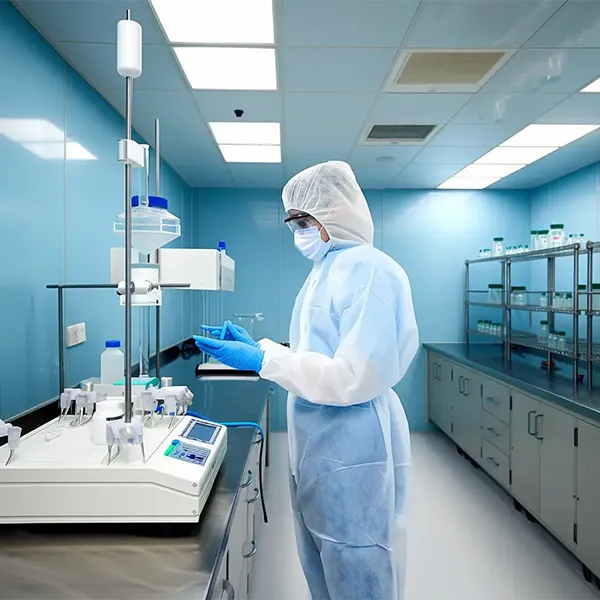
How exactly can these problems be solved? The most effective way is to focus on products. As is known, in the field of medical and pharmaceutical production there are very strict requirements for air purity, since the cleanliness of the air in production premises directly affects the quality of the finished product.
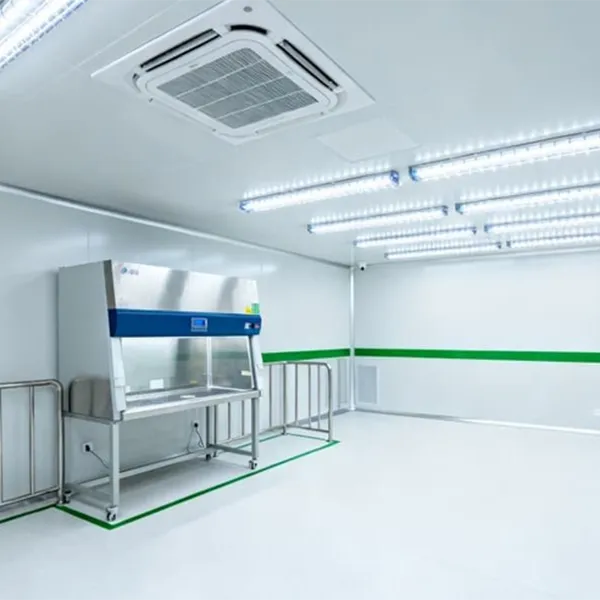
In modern manufacturing facility designs, pharmaceutical workshops are divided into zones with different air cleanliness requirements depending on process needs, with the most critical areas typically requiring sterile production conditions. Most pharmaceutical companies are implementing clean air solutions that meet international standards to meet plant clean air requirements.
GMP: indicators that determine the degree of air cleanliness at production sites
In the domestic pharmaceutical industry, the highest standard for assessing clean air quality is GMP, an acronym for Good Manufacturing Practices (for Drugs). This is a regulatory document regulating the production and quality management of medicines at pharmaceutical enterprises. Currently, all countries of the world have adopted their own GMP standards, establishing strict requirements for clean air in production areas. Enterprises or workshops that do not meet these requirements are required to stop production.
In the new edition of GMP standards, which came into force in China in 2010, production areas are divided into four levels: A, B, C and D, and:
Level A areas are high risk areas, i.e. areas that directly affect the production process. For example, tunnel sterilization ovens, aseptic filling areas, bottle opening areas, and refrigeration areas after autoclave sterilization require Class 100 laminar flow; air quality in these areas directly affects product quality;
Class B areas are areas that indirectly affect sterile operations areas, that is, the immediate surrounding Class A areas. These include, for example, sterile filling and refrigeration areas after autoclaving;
Class C/D areas have a relatively low level of cleanliness and are transitional clean areas such as preparation areas, locker rooms and buffer areas.
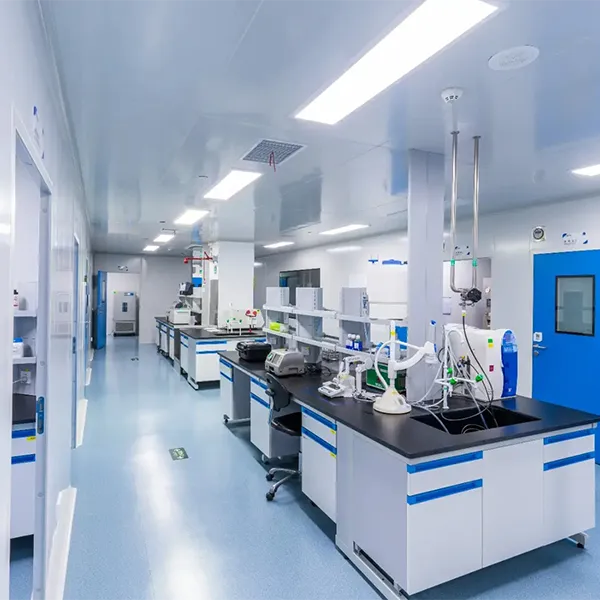
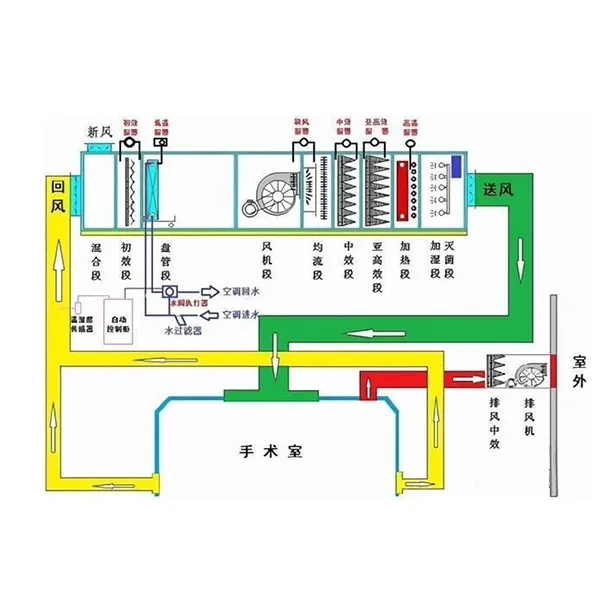
Air purification solutions for the pharmaceutical industry are mainly applied in drug production buildings and quality control buildings in smart pharmaceutical factories. Both of the above mentioned areas require the highest level of air purity for smooth production.