

Features of designing cleanrooms in the electronics industry and requirements for the level of cleanliness
2026-03-10
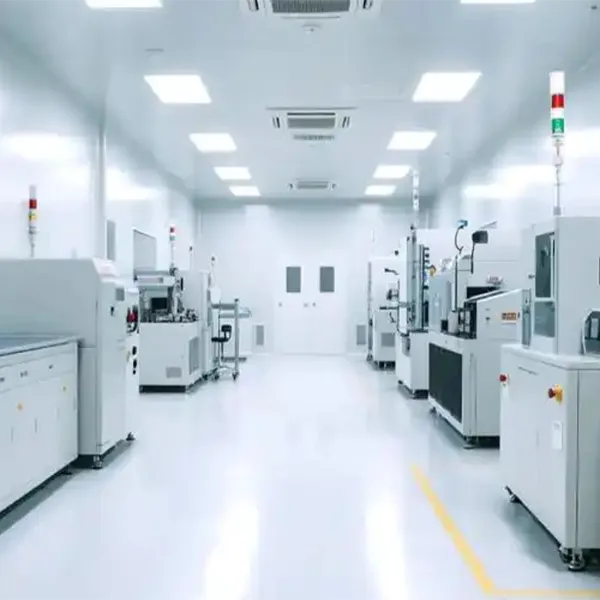
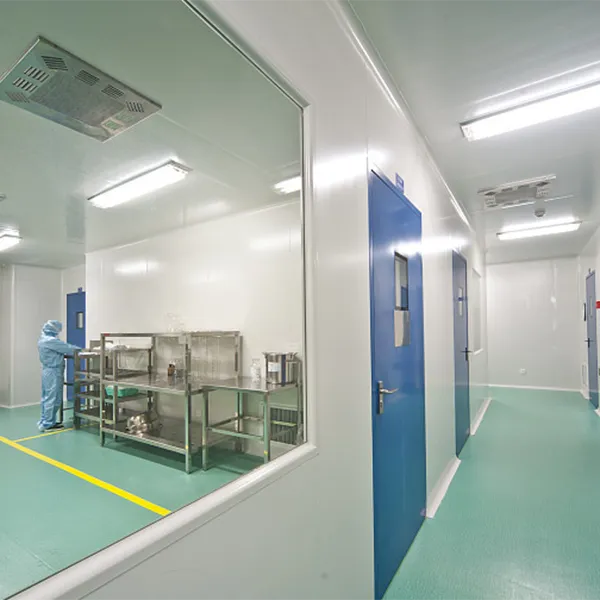
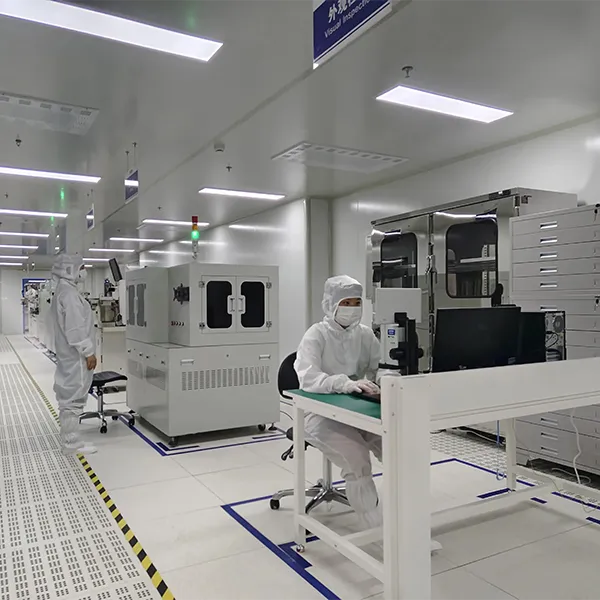
The development of computer technology, microelectronics and information technology has contributed to the rapid growth of the electronics industry, which in turn has led to the development of clean room technologies and placed higher demands on their design. Cleanroom design in the electronics industry is a complex technology, and only with a full understanding of such design features and the development of rational solutions can the defect rate of products in the electronics industry be reduced and production efficiency increased.
Features of cleanrooms in the electronics industry:
A high level of cleanliness is required; air flow, temperature, humidity, pressure drop and equipment exhaust are adjusted according to needs; illumination and air flow speed in the cross-section of the clean room are controlled in accordance with the design or standards; In addition, the electrostatic discharge requirements in such cleanrooms are extremely stringent. Particularly high demands are placed on humidity. This is because static electricity is very easy to generate in an excessively dry environment, causing damage to CMOS integrated circuits. As a general rule, the indoor temperature in electronics factories should be maintained at around 22°C and the relative humidity between 50-60% (special temperature and humidity standards apply for special cleanrooms). Under such conditions, static electricity can be effectively eliminated and also ensure people's comfort. Chip manufacturing facilities, integrated circuit cleanrooms, and hard drive manufacturing facilities are an important part of cleanrooms in the electronics industry. Since the manufacturing and manufacturing process of electronic products places extremely strict requirements on indoor air condition and quality, the control of particles and airborne dust is emphasized, and strict standards are set regarding ambient temperature and humidity, fresh air quantity, noise, etc.
1.Noise level in Class 10,000 cleanrooms in electronics manufacturing plants (empty): shall not exceed 65 dB(A).
2. The fill factor in clean rooms with vertical air flow in electronics manufacturing enterprises should not be less than 60%, and in clean rooms with horizontal unidirectional air flow - not less than 40%; otherwise it is a local unidirectional air flow.
3. The difference in static pressure between the clean room at an electronics production plant and the external environment should not be less than 10 Pa; the difference in static pressure between zones with varying degrees of air purity and unclean zones should not be less than 5 Pa.
4.In Class 10,000 cleanrooms in the electronics industry, the volume of fresh air must be equal to the greater of the following two values:
(1) The sum of the volume of exhaust air from a room and the volume of fresh air required to maintain positive pressure in the room.
(2) The volume of fresh air supplied to the clean room should not be less than 40 m³ per person per hour.
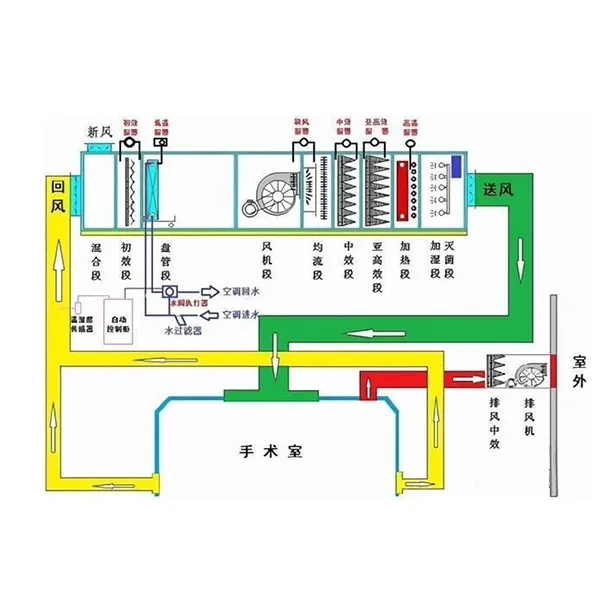
(3) Heaters for air conditioning and air purification systems in clean rooms in the electronics industry must be equipped with overheat protection and over-temperature shutdown; when spot moistening, protection against lack of water should be provided; In cold regions, the fresh air supply system must be equipped with frost protection. The supply air flow rate in a clean room should be taken equal to the largest of the following three values: the supply air flow rate that provides the required air cleanliness class in the clean room of an electronics production facility; supply air flow calculated based on heat and humidity load; volume of fresh air supplied to the cleanroom of an electronics manufacturing facility.